Memoir
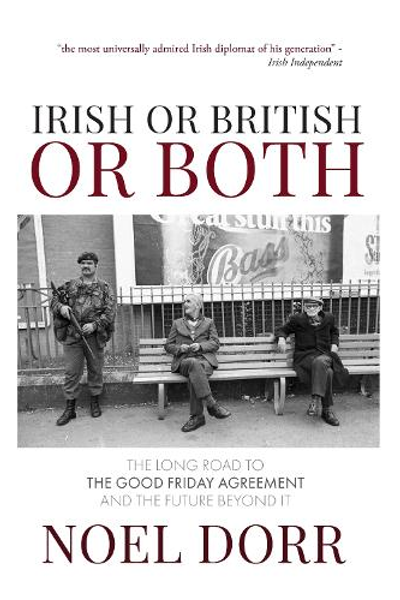
Irish or British or Both

Author
Buy this Book
About the Book
More than a generation after the Belfast/Good Friday Agreement brought an end to decades of violence in Northern Ireland, the central constitutional question that lay at the heart of the conflict remains unresolved. Will Northern Ireland remain part of the United Kingdom, or could a future referendum lead to a united Ireland?
Drawing on a distinguished career in Irish public service, including direct involvement in Anglo-Irish negotiations during the 1980s, Dorr explores the competing narratives of nationalism and unionism, the turbulent history of relations between Britain and Ireland, and the political achievement represented by the Good Friday Agreement. But his principal concern is not only with the past, it is with the future.
The Agreement established a mechanism through which Irish unity could lawfully and peacefully come about. Yet little attention has been given to how such a momentous decision would actually be implemented. Dorr argues that, if it comes, Irish unity cannot be treated as a single event. It would have to be approached as a carefully managed process requiring patience, negotiation, and sustained cooperation between the British and Irish governments and the communities most directly affected.